Every facility manager has heard the line: “If it isn’t broken, don’t fix it.” It sounds like common sense. In practice, it is one of the more expensive habits a business can develop. Poor facility maintenance rarely announces itself with a single dramatic failure. It builds quietly – a flickering light here, a sluggish HVAC unit there – until the true cost of poor facility maintenance arrives all at once, in a burst pipe, a failed inspection, or an injury that should never have happened.
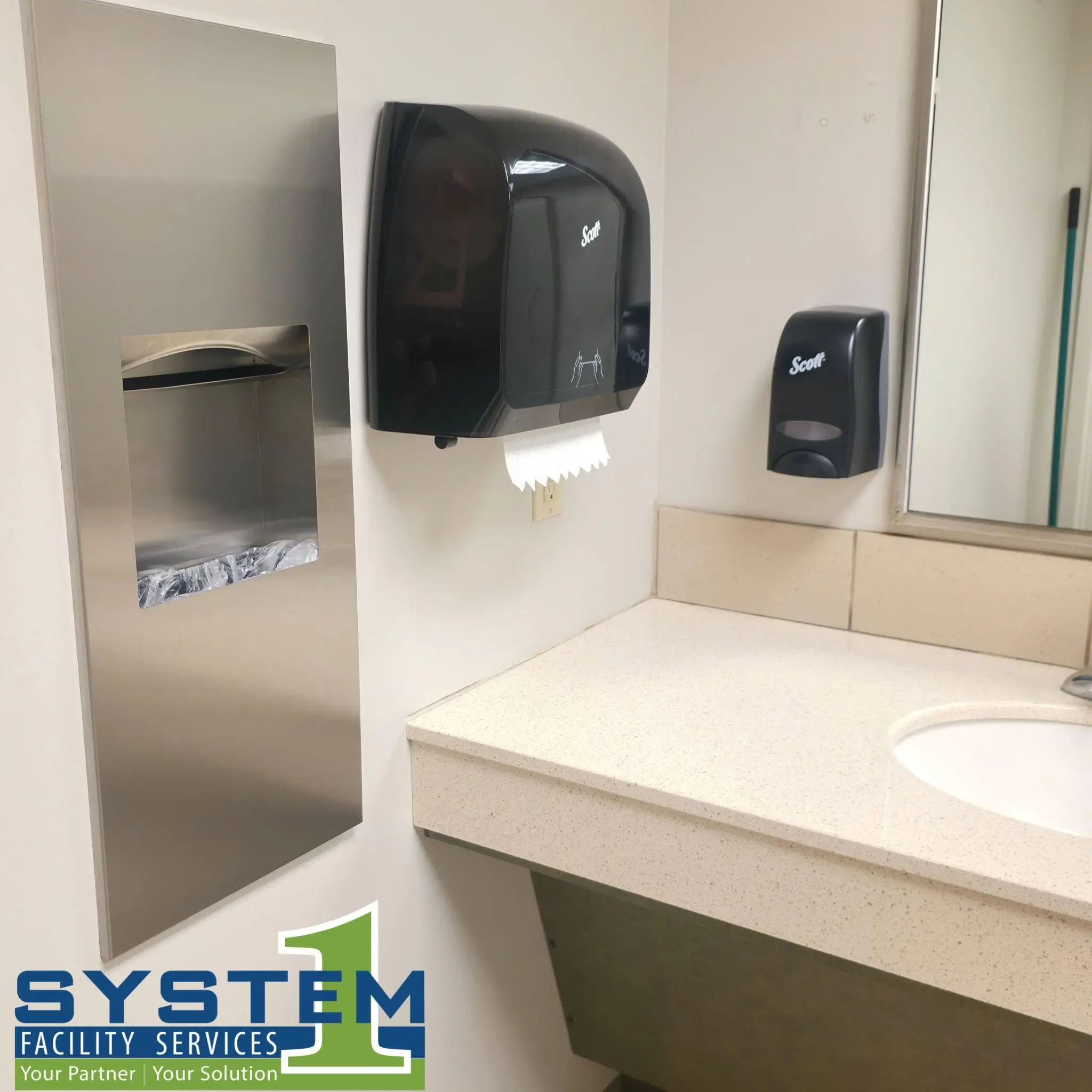
At System 1, we work across healthcare, banking, government, and manufacturing facilities, and the pattern is consistent: many organizations that struggle most with operational costs are rarely spending too much on upkeep. They are spending too little, too late. These hidden costs are often overlooked, but they can have a significant impact on a facility’s overall operation. Understanding it is the first step toward avoiding it.
Reactive Maintenance Costs More Than Prevention Ever Will
Reactive maintenance — fixing things only after they fail — feels cheaper in the short term because nothing is spent until something breaks. Industry data tells a different story. Running equipment to failure can cost up to ten times more than maintaining it on a regular schedule, and every dollar invested in preventive maintenance is estimated to generate roughly five dollars in future savings.
Deferred maintenance compounds the problem: every dollar of postponed upkeep can turn into four dollars in eventual capital repair costs, and unplanned downtime now touches most businesses – roughly 82 percent report at least one incident in the past three years.
A poorly maintained facility does not fail component by component; it fails in cascades. Neglected electrical systems place added strain on a building’s wiring. Worn flooring accelerates damage to subfloors. One overlooked issue creates higher repair costs across several systems at once. A proactive facilities management strategy, built on regular inspections and proactive maintenance rather than reactive repairs, is one of the most cost effective ways to protect a facility’s long-term value, its assets, and reduce costs before they compound.
Energy Consumption: The Cost Hiding in Plain Sight
Few hidden costs are as overlooked as wasted energy. Poorly maintained facilities routinely lose money to inefficient electrical systems, outdated lighting systems, and neglected HVAC units. Improper maintenance alone can increase HVAC energy use by 30 percent or more, while basic routine care such as filter changes and coil cleaning can deliver a 5 to 15 percent reduction in monthly utility bills. Across a portfolio of buildings, that gap in energy consumption means using more energy than necessary every single month, quietly driving up operating costs.
Sound energy management increasingly means knowing where to leverage technology. Smart sensors, automated lighting controls, and real-time monitoring systems can flag inefficiencies long before they show up on a bill. For any business focused on operational efficiency, energy management deserves the same scrutiny as staffing or supplies, because it plays a crucial role in overall business operations and is just as controllable.
Safety Hazards and the Cost of Non-Compliance
Poor maintenance also creates real safety hazards. Poor lighting in stairwells, deferred fire safety inspections, and unaddressed electrical hazards are not simple oversights – they are liabilities. When a facility drifts out of full compliance with safety regulations, consequences move quickly from inconvenient to serious.
In 2026, OSHA can issue fines of up to $16,550 per serious violation and up to $165,514 for wilful or repeated violations. Businesses that face fines due to poor facility conditions absorb more than a financial hit; compliance failures and non compliance more broadly invite legal action, higher insurance premiums, and financial instability that can follow a company into future contracts and audits.
Regular inspections are among the most cost-effective forms of insurance a facility can carry, catching small issues before regulators, insurers, or courts get involved. Addressing issues early, rather than waiting for an audit or inspection, should be part of every facility team’s routine.
The Human Cost: Employees, Clients and Brand Reputation
The hidden costs of poor facility maintenance extend past the balance sheet. Employee productivity and employee well being both decline in buildings with poor air quality, inconsistent temperatures, or visibly neglected common areas. For staff managing health conditions or limited mobility, poorly maintained walkways and doors are barriers to doing their job safely.
The same is true for clients. Customer satisfaction and tenant satisfaction are shaped in the first impressions someone forms of a building – a stained ceiling tile or a dirty lobby floor does more reputational damage than most owners realize.
Customer dissatisfaction rooted in a poorly maintained environment quietly erodes brand reputation long before it appears in a review or a lost contract. In competitive markets, service quality and customer experience are judged as much by a building’s condition as by the product or service delivered inside it.
From Reactive to Proactive: A Strategy That Works
Avoiding these hidden costs does not require an overnight overhaul – it requires a shift from reactive repairs to a proactive facilities management strategy. While specialized building systems require qualified maintenance professionals, a proactive janitorial partner plays an important role in identifying and reporting facility concerns before they become larger problems. Building preventive maintenance and janitorial services into the calendar rather than the to-do list helps create a more proactive approach to facility care.
Tracking safety regulations proactively to ensure compliance well ahead of any audit. Investing in properly maintained lighting, air quality, and climate control, all of which directly contribute to employee productivity and customer experience.
Treat facilities management as a contributor to operational excellence rather than a line item to cut costs from. A well-maintained facility supports smoother operations, reduces disruptions, and creates a better environment for employees, customers, and visitors.
Why Choose System 1
This is precisely where System 1 has built its reputation. Through our Janitorial Services, Green Cleaning, and Commercial Cleaning programs, our proprietary JanOPS® operating system brings a proactive, documented approach to routine care that supports a clean, safe, well-documented facility environment and helps customers stay ahead of potential concerns. Our teams are trained to catch the early warning signs that lead to hidden costs: the poor lighting, the neglected surface, the small compliance gap that a properly maintained facility never lets develop.
Poor facility maintenance is rarely one decision. It is an accumulation of small deferrals that eventually costs businesses far more than proactive care ever would – in repairs, in energy, in compliance, and in the trust of every person who walks through the door and every asset the building protects.
Reach Out to Us Today
To learn how System 1’s facilities management, janitorial, and green cleaning services can help your business reduce costs and avoid the hidden price of poor maintenance, contact our team today.