As severe weather events continue to increase in intensity across the United States, schools and public facilities face growing pressure to strengthen their emergency preparedness. From devastating tornadoes across Tornado Alley to extreme storms impacting communities nationwide, protecting students, staff, residents, and workers is a critical responsibility.
For schools in particular, storm safety is no longer about having “just a shelter.” It is about providing maximum protection through properly engineered community storm shelters designed to withstand the most destructive weather conditions.
That is why more organizations are investing in FEMA-compliant commercial storm shelters and commercial tornado shelters that meet the rigorous standards outlined in FEMA P-361 guidance.
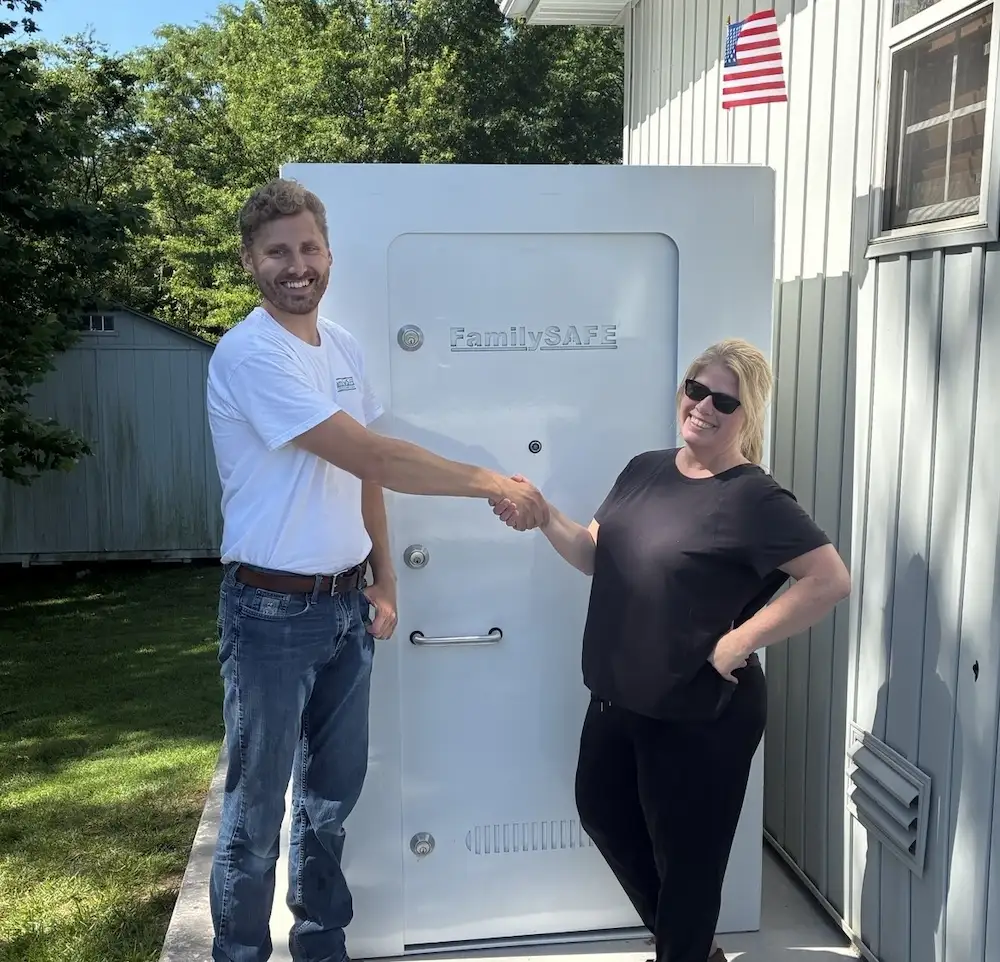
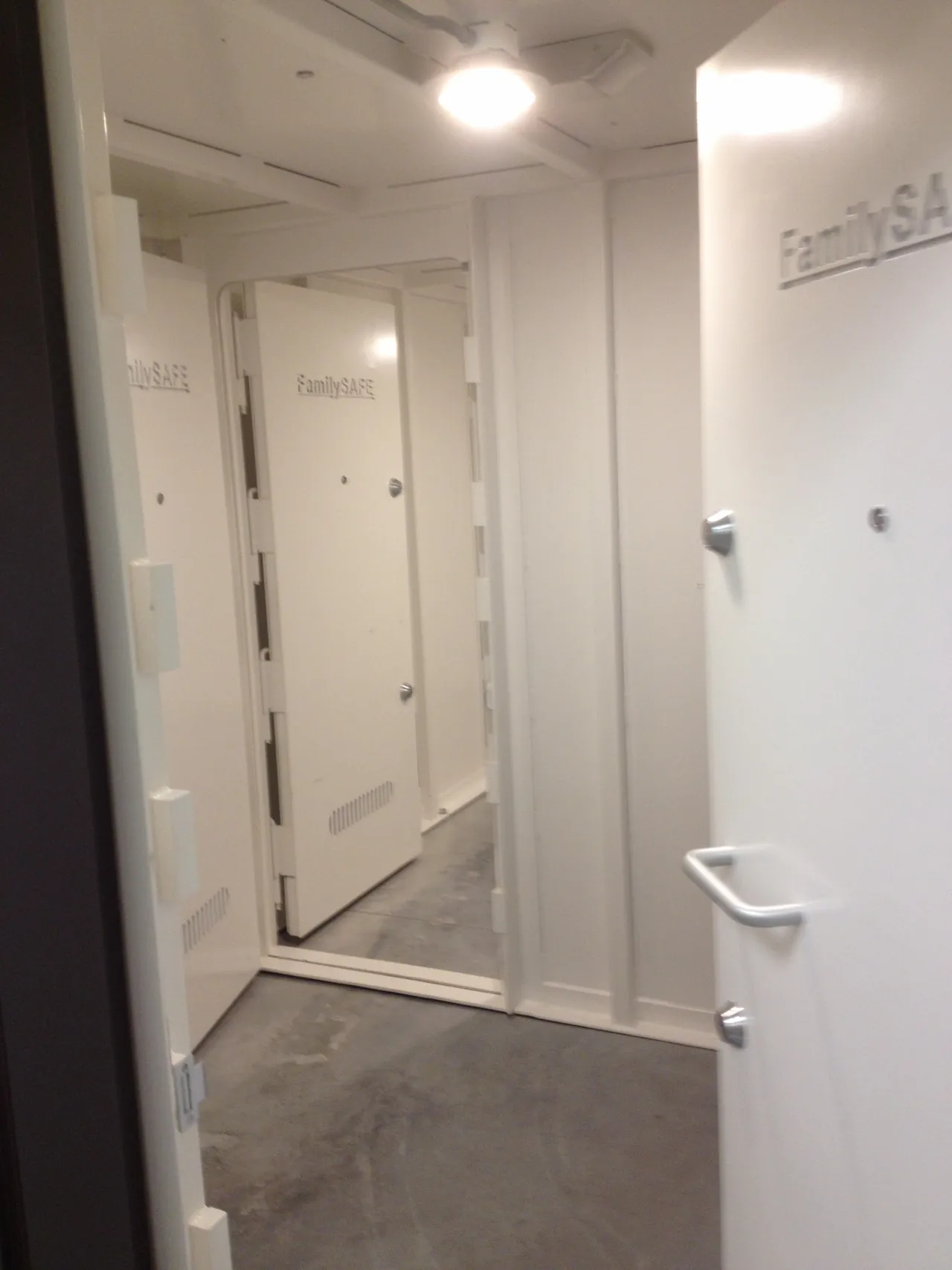
At System 1, we proudly distribute and install FamilySAFE storm shelters – industry-leading safe room solutions that have repeatedly withstood direct hits from EF4 and EF5 tornadoes without ever experiencing a structural failure.
The Critical Role of Community Storm Shelters in School Safety
Schools face unique challenges during severe weather. Unlike small businesses or residential units, educational facilities must safely protect large groups of students, teachers, staff, and visitors – often within just a few hours or even minutes of a tornado warning.
Unfortunately, many older school buildings were never engineered to withstand violent tornadoes or flying debris. FEMA guidance specifically notes that conventional buildings can fail catastrophically during extreme-wind events, putting occupants at significant risk.
Community shelters provide a reliable safe place when traditional structures cannot.
Properly designed commercial shelters:
- Protect students, employees, and residents from tornadoes and severe weather
- Provide quick access during emergency situations
- Reduce panic during storm season
- Support public safety planning for entire communities
- Improve operational readiness for schools and community organizations
For schools, the stakes are especially high because protecting children requires immediate accessibility and dependable structural performance.
Understanding FEMA P-361 Standards
FEMA P-361 is one of the most respected guidance documents in the storm shelter industry. It establishes criteria for designing and constructing safe rooms capable of providing “near-absolute protection” during tornadoes and hurricanes.
The guidance was developed using decades of storm research, post-disaster investigations, and collaboration with organizations including the National Storm Shelter Association and Texas Tech University.
“There has not been a single reported failure of a safe room constructed to FEMA criteria.”
This kind of proven reliability is why FEMA-compliant storm shelters are becoming essential for schools, community centers, and commercial facilities across tornado-prone regions.
What FEMA-Compliant Community Storm Shelters Require
Meeting FEMA P-361 standards involves far more than reinforced walls. These shelters are engineered as complete life-safety systems.
Key requirements include:
1. Extreme Wind Resistance
Commercial tornado shelters must be engineered to withstand tornado-force winds up to 250 mph in the highest-risk regions.
That level of performance far exceeds the capabilities of most traditional buildings.
2. Flying Debris Protection
One of the greatest dangers during tornadoes is flying debris. FEMA standards require safe room walls, roofs, doors, and openings to resist high-speed debris impact testing.
This is critical because debris penetration is often what causes serious injury or fatalities during storms.
3. Accessibility and Rapid Access
Schools must ensure students and staff can reach the shelter quickly and safely.
FEMA guidance emphasizes:
- Easy access routes
- ADA accessibility
- Proper signage
- Adequate capacity for large groups
- Efficient entry and exit planning
These considerations become especially important during fast-moving severe weather events.
4. Backup Systems and Emergency Features
Modern community storm shelters also require:
- Emergency lighting
- Ventilation systems
- Standby power
- Communication equipment
- Sanitation provisions
- Emergency supplies
These features help maintain safety if occupants must remain sheltered during extended emergencies.
Why Above-Ground Community Shelters Are Gaining Popularity
While some organizations still consider underground community shelters, above-ground commercial units are increasingly becoming the preferred solution for schools and commercial facilities because they offer faster access, greater convenience, and improved accessibility during emergency situations.
During severe weather, students, workers, and residents need quick and easy access to protection. Above-ground storm shelters eliminate many of the challenges associated with below ground systems, including:
- Limited accessibility
- Stairway congestion
- Flooding concerns
- Slower evacuation times
For schools managing hundreds of students, speed is essential.
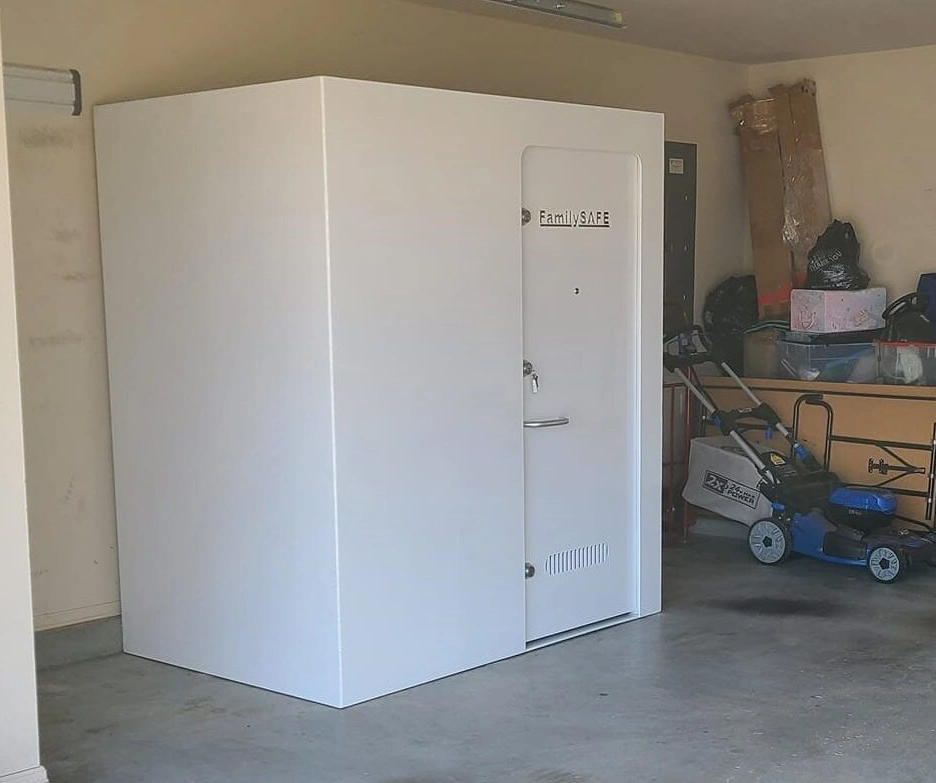
Above-ground FamilySAFE shelters distributed by System 1 are designed specifically for rapid deployment and efficient access, while maintaining the structural strength required for maximum protection.
FamilySAFE Storm Shelters: Proven in Real-World Tornadoes
Many companies claim their storm shelters are “tested.” Very few can point to real-world tornado performance. FamilySAFE can.
These community storm shelters have survived some of the worst tornadoes on record, including direct hits from EF4 and EF5 tornadoes – with zero failures. While surrounding buildings were destroyed, FamilySAFE units remained standing and protected the lives inside them.
This proven performance is one of the reasons FamilySAFE is widely recognized as a leader in the industry.
Key advantages include:
- Engineered reinforced steel construction
- Debris impact resistance
- FEMA and ICC-500 compliance
- Long term durability
- Proven field-tested performance
- Expert installation standards
FamilySAFE is also the only company to have tested shelters with a person inside during testing demonstrations – a powerful reflection of confidence in the system’s performance.
Designed for Schools, Communities and Commercial Facilities
One of the biggest misconceptions about storm shelters is that they only serve residential applications.
In reality, modern commercial units can be manufactured to protect:
- Schools
- Community centers
- Manufacturing facilities
- Municipal buildings
- Warehouses
- Churches
- Road crews
- Office buildings
- Small businesses
FamilySAFE can manufacture larger commercial storm shelters specifically tailored for educational and community use. This flexibility allows organizations to create shelter systems that fit their facility layout, occupancy requirements, and operational needs.
The Importance of Proper Installation
Even the strongest shelter can fail if it is not properly installed. That is why choosing the right company matters just as much as choosing the right shelter.
At System 1, installation is handled with precision and an unwavering commitment to safety.
Every shelter installation includes careful attention to:
- Foundation requirements
- Site preparation
- Structural anchoring
- Accessibility
- Safety compliance
- Long-term reliability
Our team works closely with organizations to ensure shelters are positioned for optimal safety, access, and functionality.
Community Storm Shelters as a Public Safety Investment
Investing in commercial storm shelters is not simply about compliance – it is about protecting lives.
For schools and municipalities, these shelters represent a long-term investment in public safety and community resilience.
The benefits extend far beyond storm season:
- Increased peace of mind
- Improved emergency preparedness
- Enhanced community confidence
- Reduced liability exposure
- Stronger organizational resilience
- Safer environments for students, employees, and families
And in many cases, FEMA mitigation funding opportunities may help offset costs for qualifying projects.
Why Schools Are Prioritizing Safe Rooms
Across the country, more school districts are recognizing the importance of FEMA-compliant tornado shelters.
In fact, the International Building Code now requires storm shelters in many newly constructed schools located in high-risk tornado regions.
This reflects a growing understanding that standard construction alone cannot always withstand violent tornadoes. When severe weather strikes, schools need dedicated safe rooms designed specifically to protect lives.
A Safer Future Starts with Preparation
The devastating effects of tornadoes and severe weather continue to remind communities of one important reality: preparation saves lives.
Storm shelters are no longer optional in many regions – they are essential infrastructure.
At System 1, we are proud to help schools, businesses, and communities deliver proven protection through FamilySAFE storm shelters engineered to meet the highest standards of performance and reliability.
Start Planning Your Community Storm Shelter Today
Whether you are evaluating options for schools, commercial facilities, community centers, or municipal buildings, at System 1, we can help you develop a storm shelter solution designed around your organization’s needs.
Our team can assist with:
- Site evaluations
- Capacity planning
- FEMA-compliant shelter solutions
- Commercial shelter installation
- Accessibility considerations
- Long-term safety planning
Contact Us
Contact us today to learn more about our community storm shelters and commercial tornado shelters designed to protect what matters most — your people.